


If you’ve ever wondered “what are coffee grounds?” or “what are coffee grounds good for?” — you’re not alone. Coffee grounds are the leftover residue after brewing coffee. Whether from a French press, drip coffee maker, or espresso machine, these used grounds have numerous practical applications both inside and outside your home.
In this comprehensive guide, we’ll explore the many uses for coffee grounds and how to embrace coffee ground recycling for a more sustainable lifestyle.
What Are Coffee Grounds?
Before diving into their uses, let’s clarify what coffee grounds actually are. Coffee grounds are the leftover material after brewing coffee. They start as ground coffee beans (which is why people sometimes search for “ground coffee” when looking for information about coffee grounds). After hot water passes through during brewing, what remains are used coffee grounds.
Fresh ground coffee is acidic, while used coffee grounds become more pH neutral after brewing. This distinction is important when considering their applications, especially in gardening.
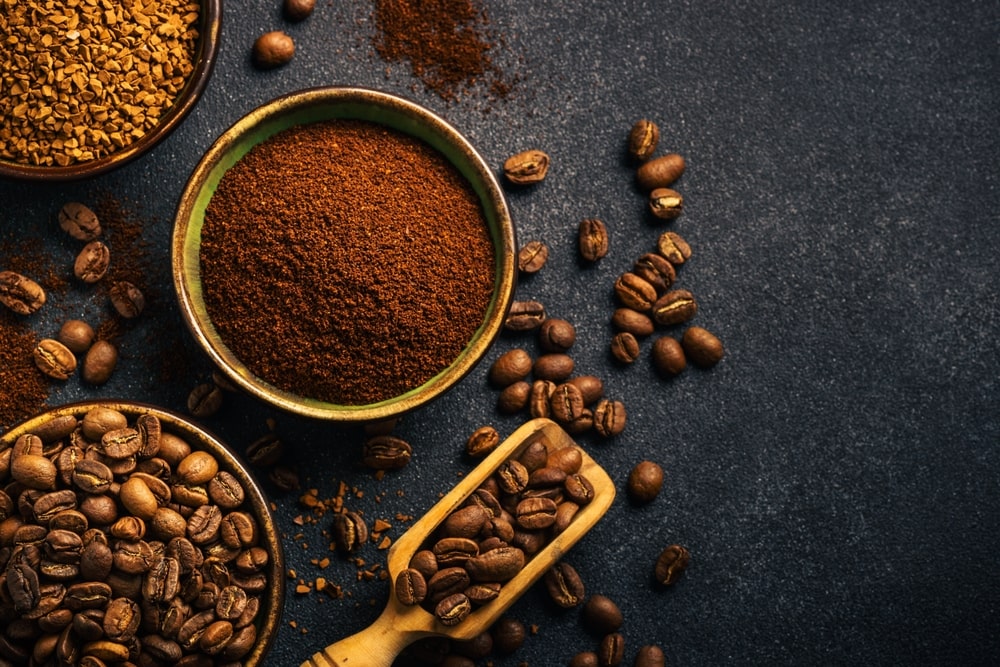
Uses for Coffee Grounds in the Garden
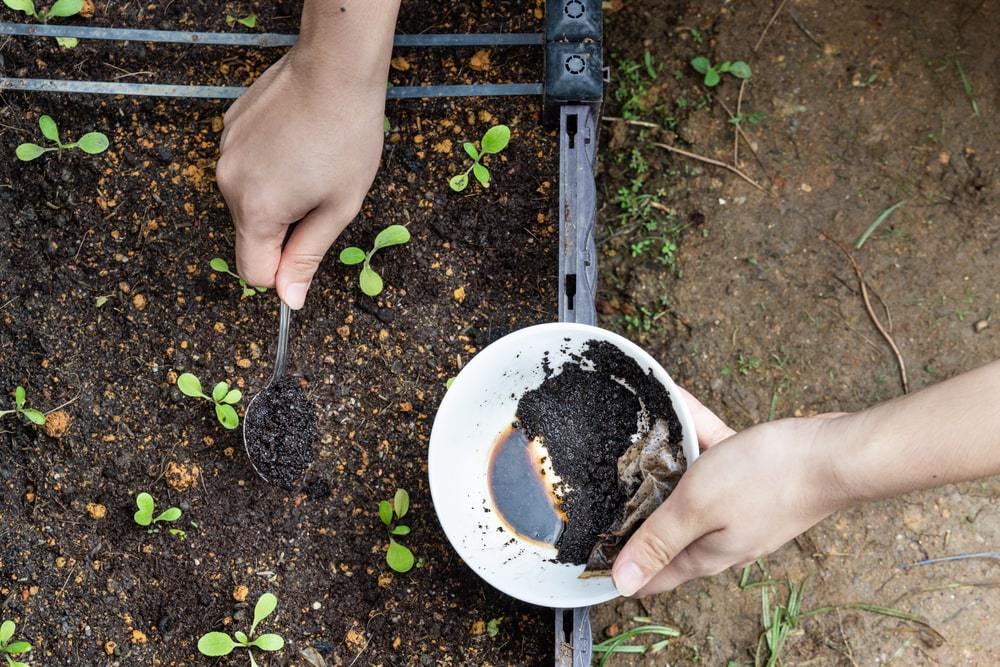
Coffee grounds in the garden have become increasingly popular among gardeners looking for organic solutions. Here are several ways you can use coffee grounds for plants:
Coffee Grounds as Fertilizer
If your garden consists of less-than-ideal soil, coffee grounds can help. Used coffee grounds are rich in:
- Nitrogen
- Potassium
- Phosphorus
For an effective coffee grounds fertilizer, simply sprinkle them throughout your garden to:
- Improve soil drainage
- Enhance water retention
- Increase aeration
Coffee Grounds for Acid-Loving Plants
Adding coffee grounds to soil lowers the pH level, increasing acidity. This makes them perfect for acid-loving plants such as:
- Azaleas
- Hydrangeas
- Rhododendrons
- Blueberries
Coffee Grounds for Hydrangeas
Due to their acidic nature, coffee grounds can alter the color of hydrangeas. Typically either pink, blue, or white, hydrangeas will bloom bluer in soil with a pH below 6 or 7. For best results:
- Sprinkle coffee grounds onto the soil surface
- Or work them into the ground a few months before blooming
- If concerned about smell, incorporate them deeper into the soil
Coffee Grounds for Roses
Roses thrive with the high nutrient content of coffee grounds, preferring soil with a pH level around 6-6.5. However, moderation is key:
- Don’t spread coffee grounds too close to rose plants
- Avoid using them as a complete fertilizer replacement
- Too much nitrogen can damage plant roots
Are Coffee Grounds Good for Tomato Plants?
While root crops like carrots and radishes benefit from acidic soil, tomatoes have a different relationship with coffee grounds:
- They can benefit from the added nutrients
- However, coffee grounds may sometimes hinder growth due to water retention issues or excessive acidity
- For tomato plants, create a balanced compost mix with coffee grounds to ensure proper pH and nutrient levels
Remember: Fresh coffee grounds are acidic, while used coffee grounds are more pH neutral. Pay attention to which plants benefit from which type of grounds.
Coffee Grounds Kill Weeds
Wondering if coffee grounds kill weeds? The answer is yes! Unwanted coffee grounds can be as effective as store-bought weed killers due to their nitrogen content and pH levels.
Natural Pest Repellent
Used coffee grounds in the garden provide protection against various pests:
- Slugs, snails, and beetles avoid coffee grounds
- Simply sprinkle used grounds around the perimeter of plant beds
- Coffee grounds also deter cats and rabbits, preventing them from using your garden as a litter box or feeding ground
Winter Ice Management
If winter weather catches you unprepared, coffee grounds can help melt ice or snow on sidewalks:
- The gritty texture creates traction and reduces slipping
- The dark color attracts heat, speeding up the melting process
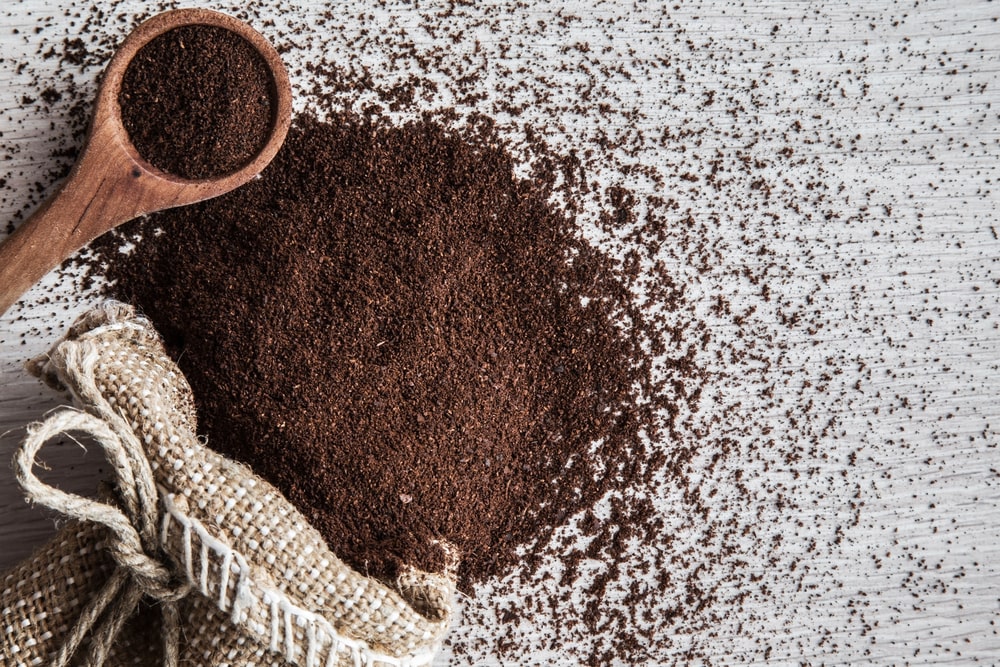
Household Uses for Coffee Grounds
Coffee Grounds for Odor Removal
The nitrogen in coffee grounds helps absorb and eliminate odors:
- Place a small bowl of used coffee grounds in your refrigerator or freezer to absorb food odors
- This works similarly to baking soda but adds a pleasant coffee aroma
Freshen Your Garbage Disposal
Cleaning your garbage disposal with coffee grounds eliminates kitchen smells. Try this coffee ground cleaning tablet recipe:
- Dry out 1 cup of used grounds
- Mix with 3/4 cup Epsom salt, 1/2 cup baking soda, and 3 Tbsp white vinegar
- Form small balls and freeze on a parchment-lined baking sheet
- To clean, drop one or two balls into the running disposal and rinse with cold water
Important note: While occasional use is fine, don’t dump coffee grounds down your disposal daily as they can build up in drains and cause clogs.
Pet Care: Flea Removal
Used coffee grounds offer a natural flea treatment for pets:
- After shampooing your pet, rub coffee grounds throughout their fur
- Rinse thoroughly
- Ensure your pet doesn’t consume the coffee grounds
- For persistent problems, consult a vet about prescription treatments
Cleaning Pots and Pans
The abrasive texture of coffee grounds makes them excellent for cleaning:
- Use on caked-on food when steel wool isn’t available
- Effective for scrubbing kitchen sinks and grill grates
- The antibacterial properties help sanitize while cleaning
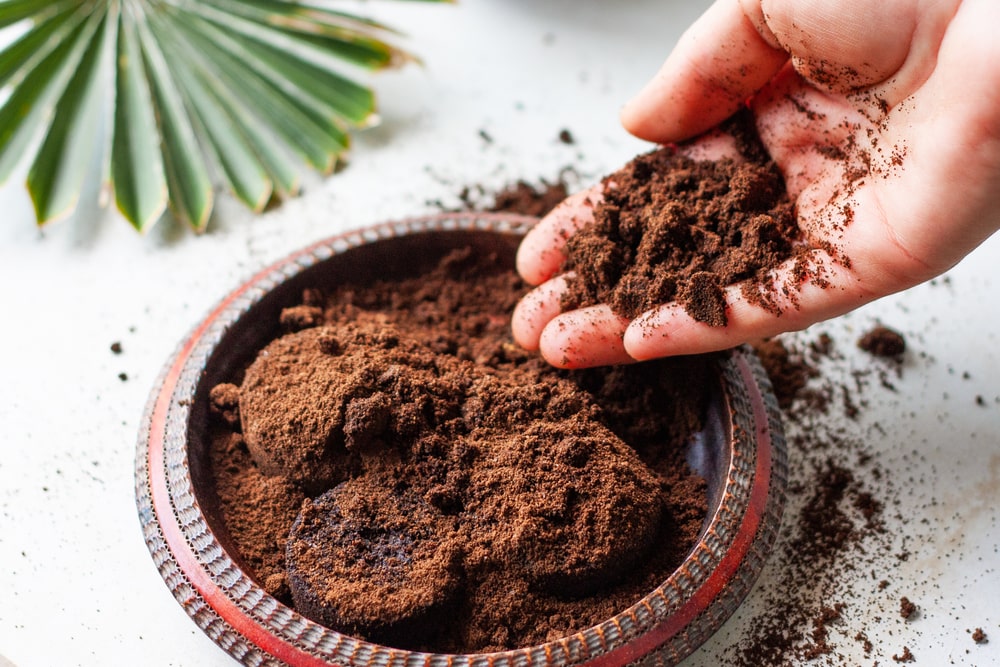
Personal Uses for Coffee Grounds
Coffee Grounds for Skin Care
Coffee grounds can be part of your skincare routine:
- They soften and exfoliate skin
- Create homemade coffee body scrubs
- Leave skin looking clean and healthy
- While not a treatment for acne, they can improve skin texture
Cooking with Coffee Grounds
Cooking with coffee grounds adds unique flavors to dishes:
- Add to meat marinades or dry rubs such as coffee rubbed pork roast
- Experiment with herb and spice combinations
- Incorporate into baked goods like cookies or brownies for an earthy, slightly bitter taste that balances sweetness
- Use sparingly to avoid overwhelming flavors
Natural Dyes
Coffee grounds create beautiful natural dyes:
- Dye clothes for a vintage or earthy look
- Experiment on less valuable items first
- Results vary based on coffee type, amount used, and fabric
- Can also be used to darken hair color (with proper testing and caution)
Benefits of Coffee Grounds
To summarize the benefits of coffee grounds:
- Rich in nutrients that improve soil health
- Natural pest repellent for gardens
- Eco-friendly cleaning abrasive
- Odor neutralizer
- Natural exfoliant for skin
- Unique flavor enhancer in cooking
- Sustainable way to reduce waste
Coffee Ground Recycling for a Minimum-Waste Lifestyle
By finding new uses for coffee grounds, you’re participating in coffee ground recycling, which reduces waste and maximizes resources. Instead of throwing grounds in the trash, give them a second life in your garden, home, or personal care routine.
Whether you’re an avid gardener looking to improve your soil, a homeowner seeking natural cleaning solutions, or someone interested in sustainable living practices, coffee grounds offer versatile applications that benefit both you and the environment.

.jpg)